Hip Rotator Muscles

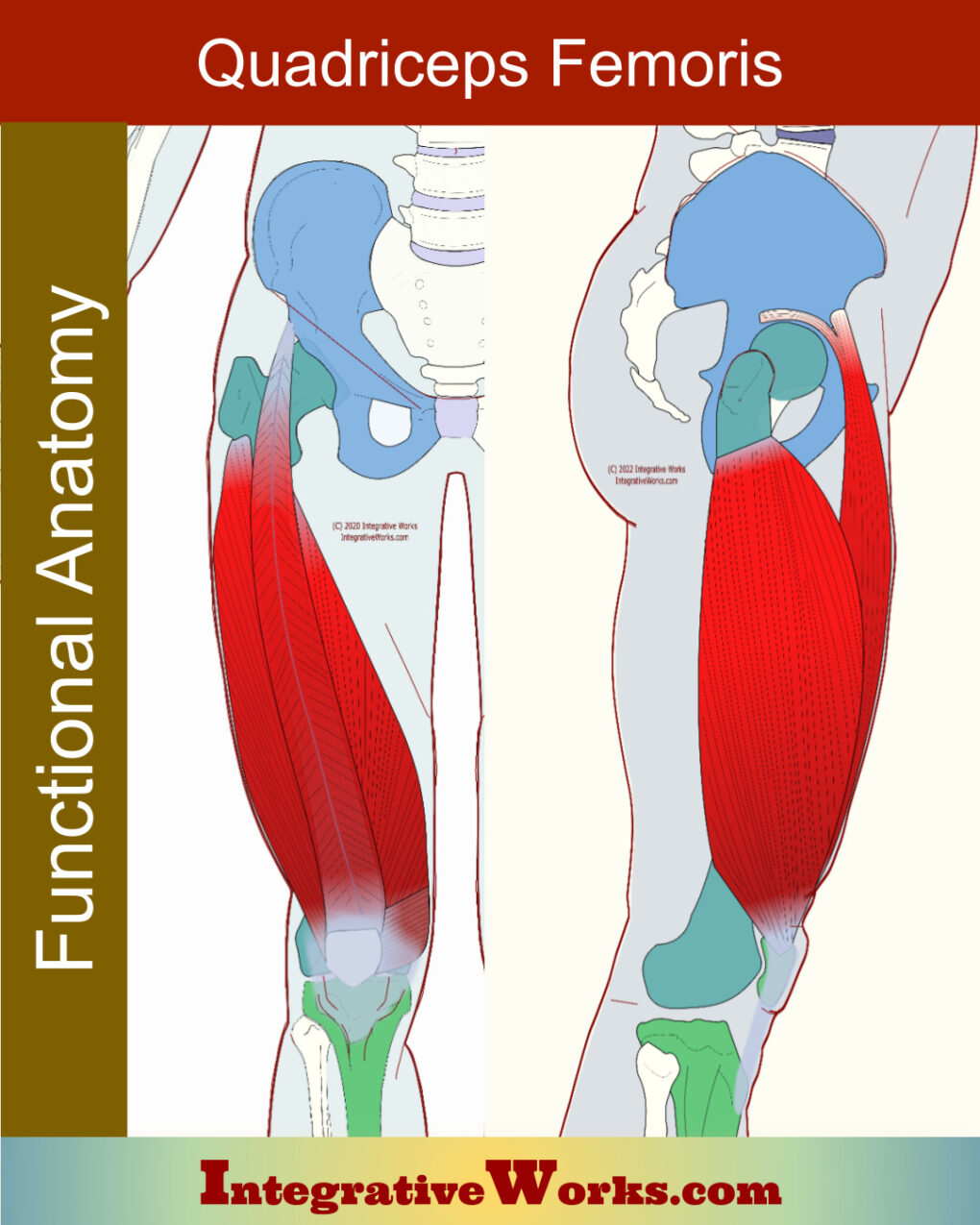
Quadriceps Femoris- Functional Anatomy

Here you will find the anatomy of quadriceps muscles. This post includes links to more detailed anatomy of each muscle, trigger points, self-care, massage notes, and more. This post was created before all heads’ posts were completed. This allows a central place to find quadriceps info. The other posts will be finished shortly… Overview The […]
Quadriceps Femoris- Functional Anatomy Read More »

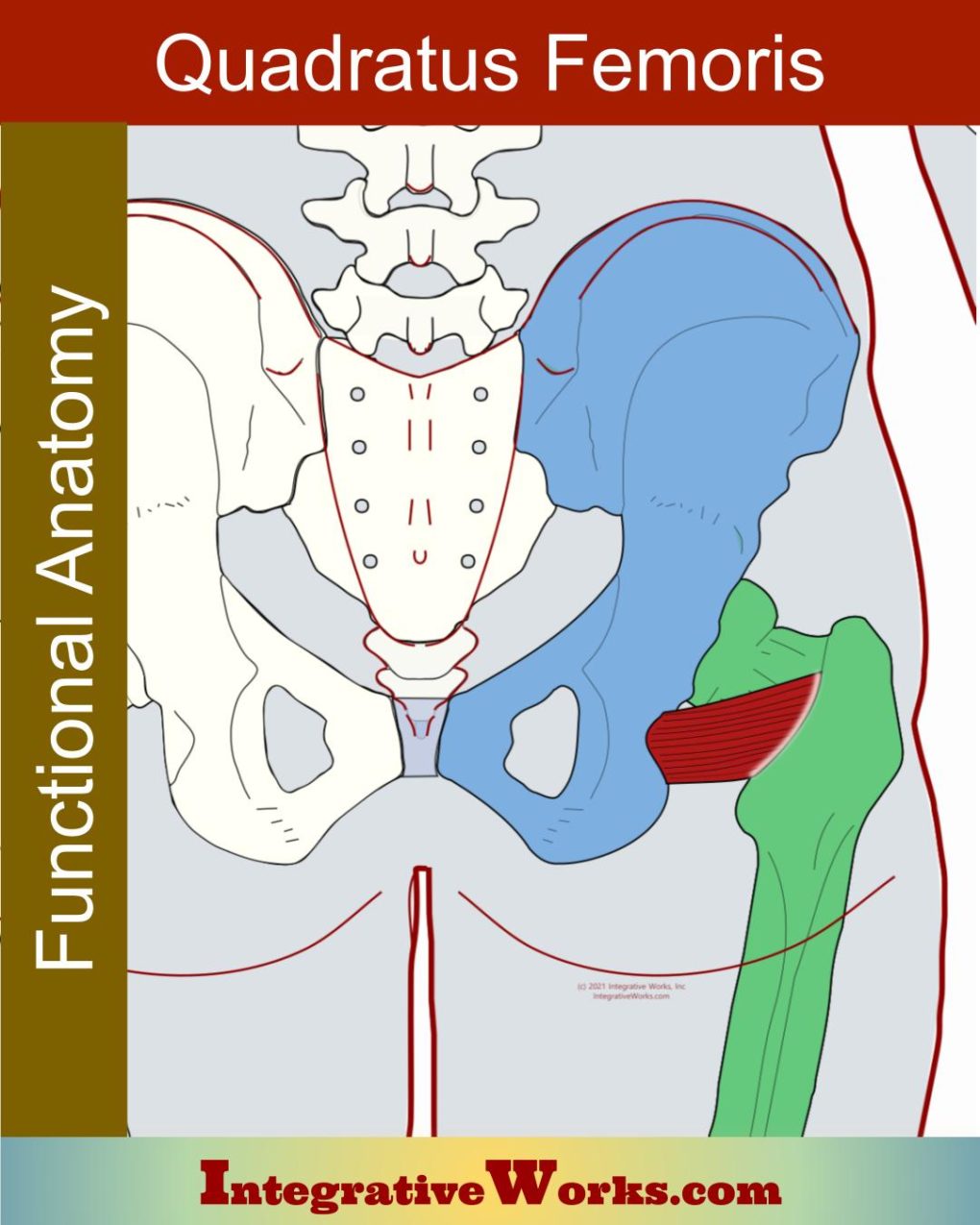
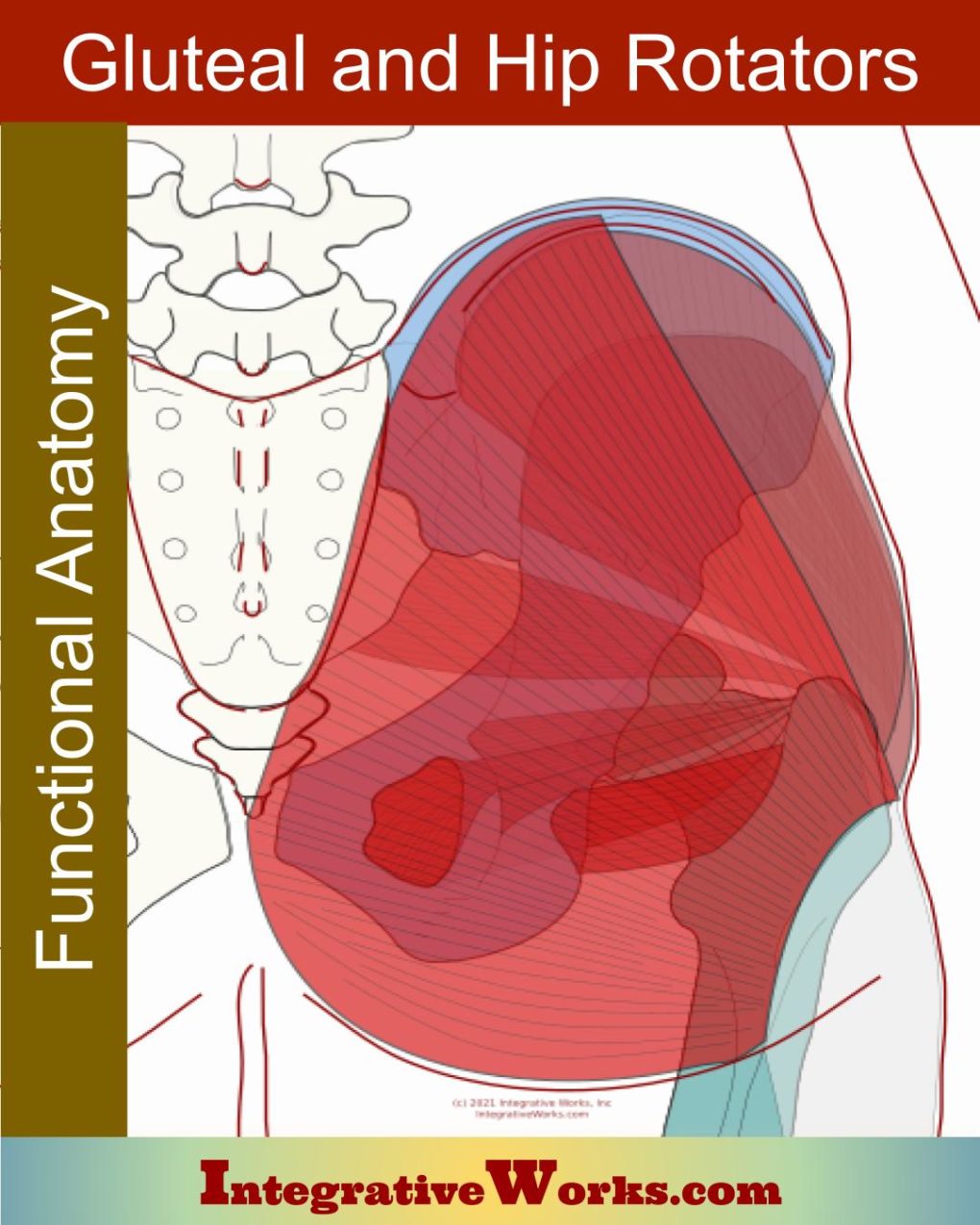
Gluteal and Lateral Hip Rotator Muscles – Functional Anatomy

Overview Gluteal muscles form the fullness of the hip. They originate on the pelvis and insert on the femur. The gluteus maximus also attaches to the tibia via the iliotibial band. Primarily, these muscles extend and abduct the hip joint. In addition, the lateral glutes are vital in supporting the pelvis while the opposite leg

Gluteal and Lateral Hip Rotator Muscles – Functional Anatomy Read More »

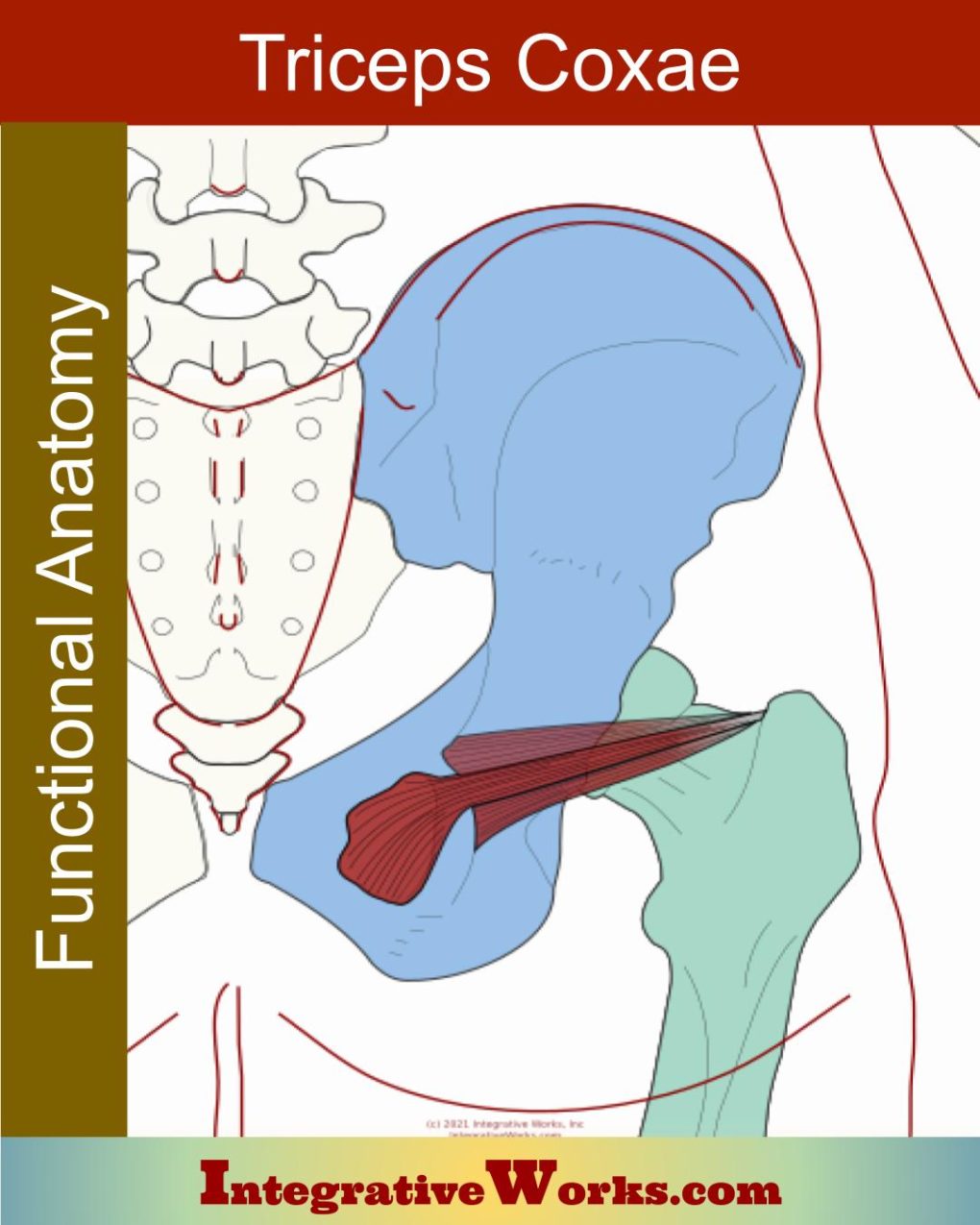
Triceps Coxae

Here, you will find anatomy for the triceps coxae, which consists of the obturator internus, gemellus superior, and gemellus inferior. These three muscles were originally grouped as a single muscle. Like the triceps brachii, they have a common insertion and function. Later, they were separated because of different origins and innervation. According to one study,

Triceps Coxae Read More »

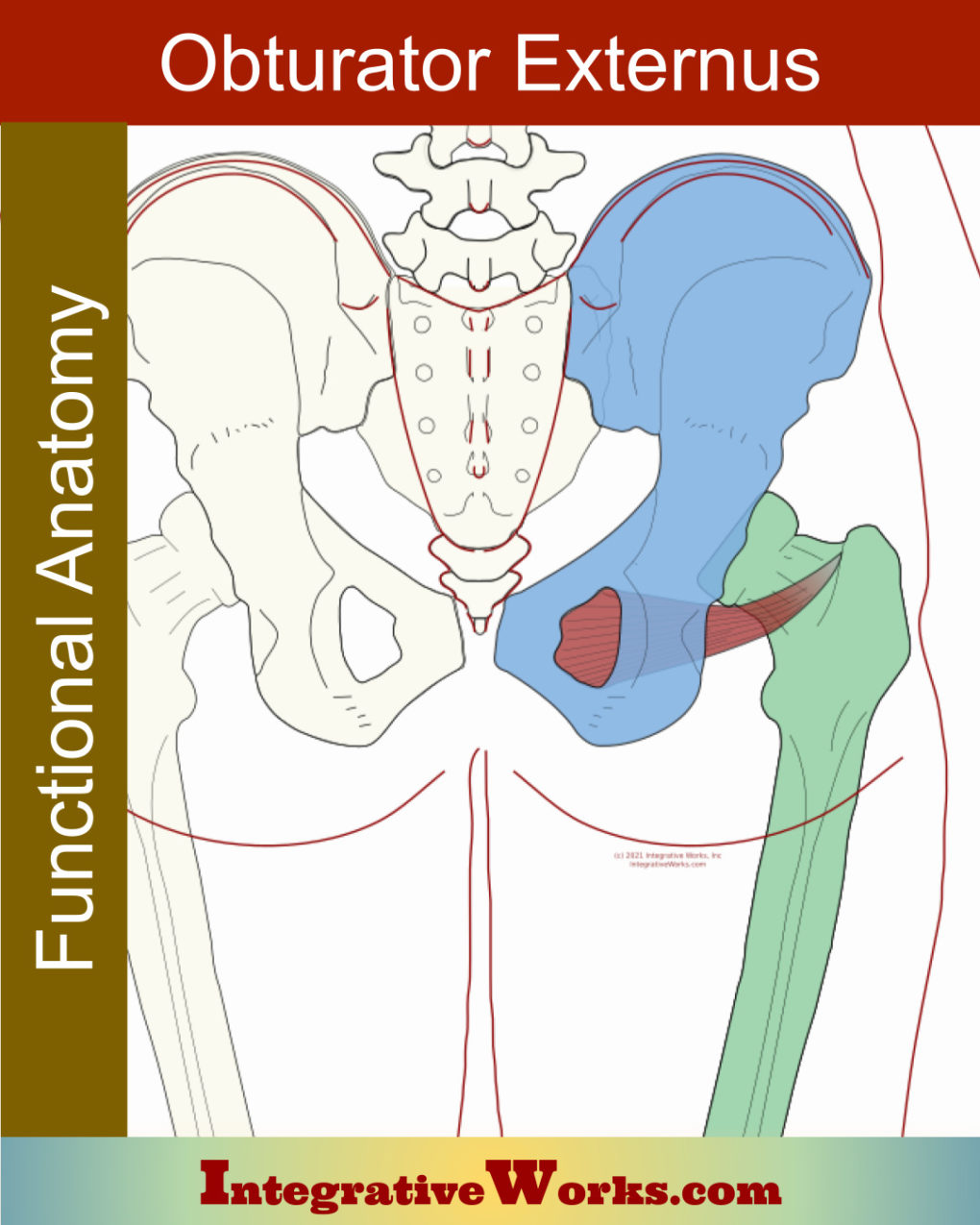
Obturator Externus – Functional Anatomy

Overview The obturator externus is a flat, triangular muscle that extends from the lower pelvis to the superior femur. The muscle has a superior belly and the main belly. Its name comes from its attachment to the external surface of the obturator foramen. Its counterpart, obturator internus, originates from the internal surface. Origin Insertion Function

Obturator Externus – Functional Anatomy Read More »